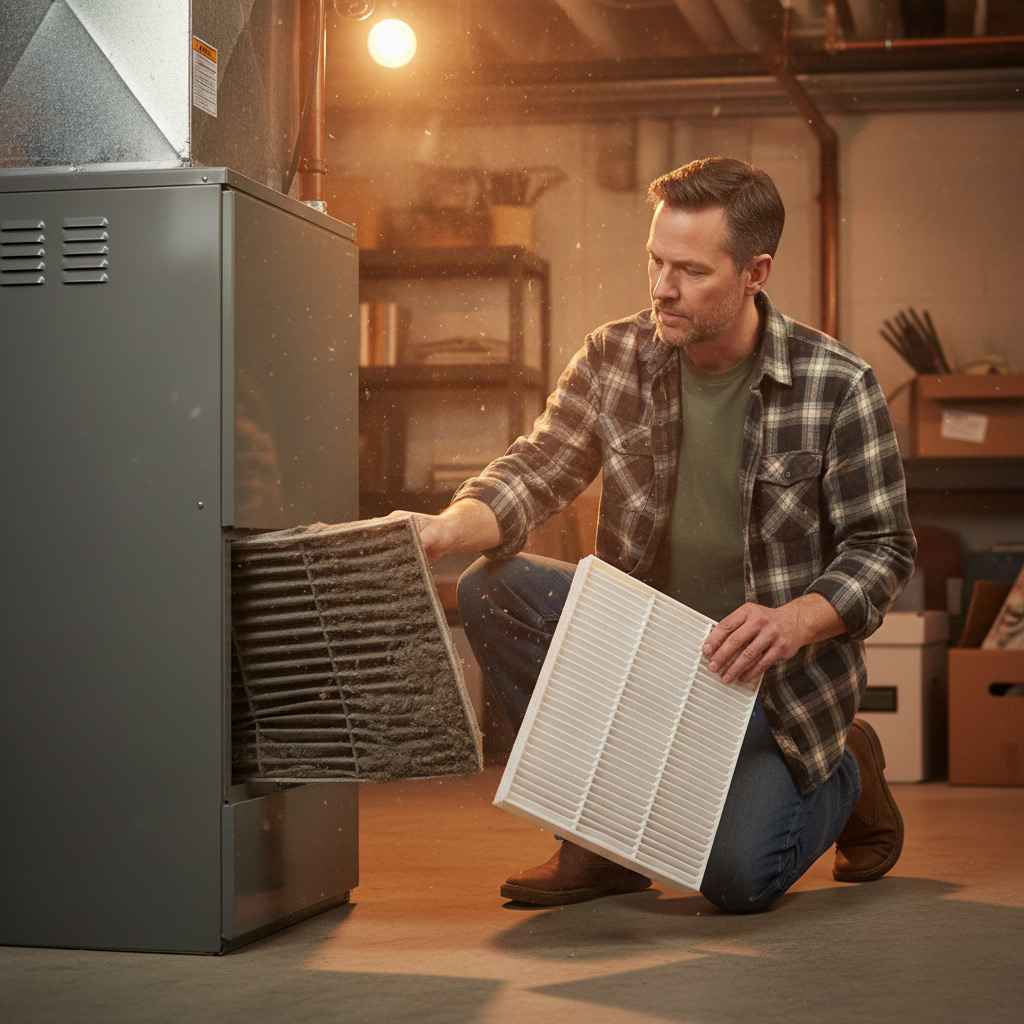
Picture this: you flip the switch and a steady, clean stream of air greets you, no weird noises, no sky‑high bills. That’s the feeling of a replacement job done right, and it’s not a myth reserved for the lucky few.
Most homeowners in Chesapeake end up with a half‑baked install because they skip the hidden steps that separate a quick fix from a long‑term win. The difference is a simple, no‑nonsense checklist that catches the costly mistakes before they happen.
Grab the list, follow the steps, and you’ll walk away with an HVAC system that works like a charm for years to come. Ready to see exactly what those steps are? Keep reading and you’ll get the play‑by‑play you need to dominate your next replacement.
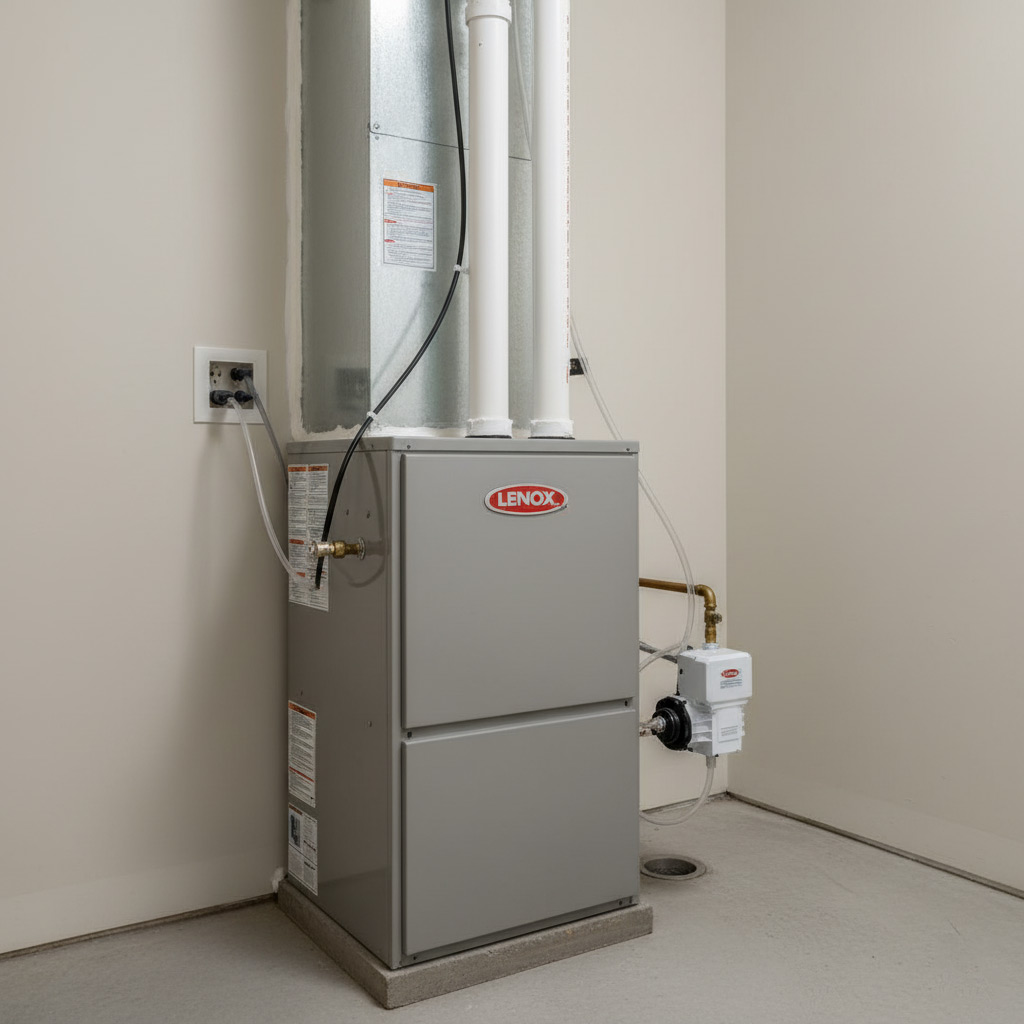
Understanding Your Current System: Signs It’s Time for Replacement
When your HVAC unit starts acting like a temperamental teenager, it’s screaming for an upgrade. Age alone isn’t the villain, but when a 15‑year‑old system can’t keep up with Chesapeake’s humid summers, you’re paying for discomfort.
Red Flag #1: Sky‑High Energy Bills
If your monthly electric bill looks like a surprise party every time summer rolls around, the system is working overtime. Old compressors and clogged coils waste power like a leaky faucet drips water.
- Bills jump 20%+ compared to the previous year.
- Thermostat struggles to reach the set temperature.
- Unit runs nonstop, then shuts off abruptly.
Red Flag #2: Uneven Temperatures & Strange Noises
One room feels like an icebox while the next swelters—your ductwork or the blower is probably on strike. Listen for rattles, squeals, or a high‑pitched whine; those sounds are the system’s SOS.
- Cold spots on the first floor, hot spots upstairs.
- Grinding, buzzing, or clanking during operation.
- Frequent short‑cycling (turning on and off quickly).
Red Flag #3: Frequent Repairs That Don’t Stick
When you’re calling a tech every other month, you’re basically renting a broken machine. A pattern of recurring fixes signals that the core components have given up.
- Repeated capacitor or motor replacements.
- Leaking refrigerant that never stays sealed.
- Warranty work that’s “covered” but still costs you time.
Choosing the Right HVAC Unit for Chesapeake Climate and Home Size
Chesapeake summers can feel like a furnace, while winters are more of a gentle breeze. Your new system must handle high humidity, scorching heat, and occasional chill without breaking a sweat. Pick a unit that’s built for the local swing in temperature, not just a generic “one‑size‑fits‑all” model.
Sizing Your Unit
Too small and you’ll be begging for relief; too big and you’ll waste money on endless cycling. The sweet spot comes from a simple math check and a look at your floor plan.
- Square footage: Roughly 20‑30 BTU per square foot is a good starting point.
- Ceiling height: Higher ceilings need extra capacity.
- Sun exposure: South‑facing rooms add heat load.
- Insulation quality: Poor insulation = bigger unit.
Efficiency & Features
Chesapeake’s humidity means you’ll thank yourself for a unit that dehumidifies while cooling. Look for a SEER rating of 14 or higher and a HSPF of 8+ if you want a heat pump.
- Variable‑speed blower: Keeps temperature steady and cuts energy use.
- Smart thermostat compatibility: Lets you fine‑tune comfort from your phone.
- Corrosion‑resistant coils: Essential for salty air near the water.
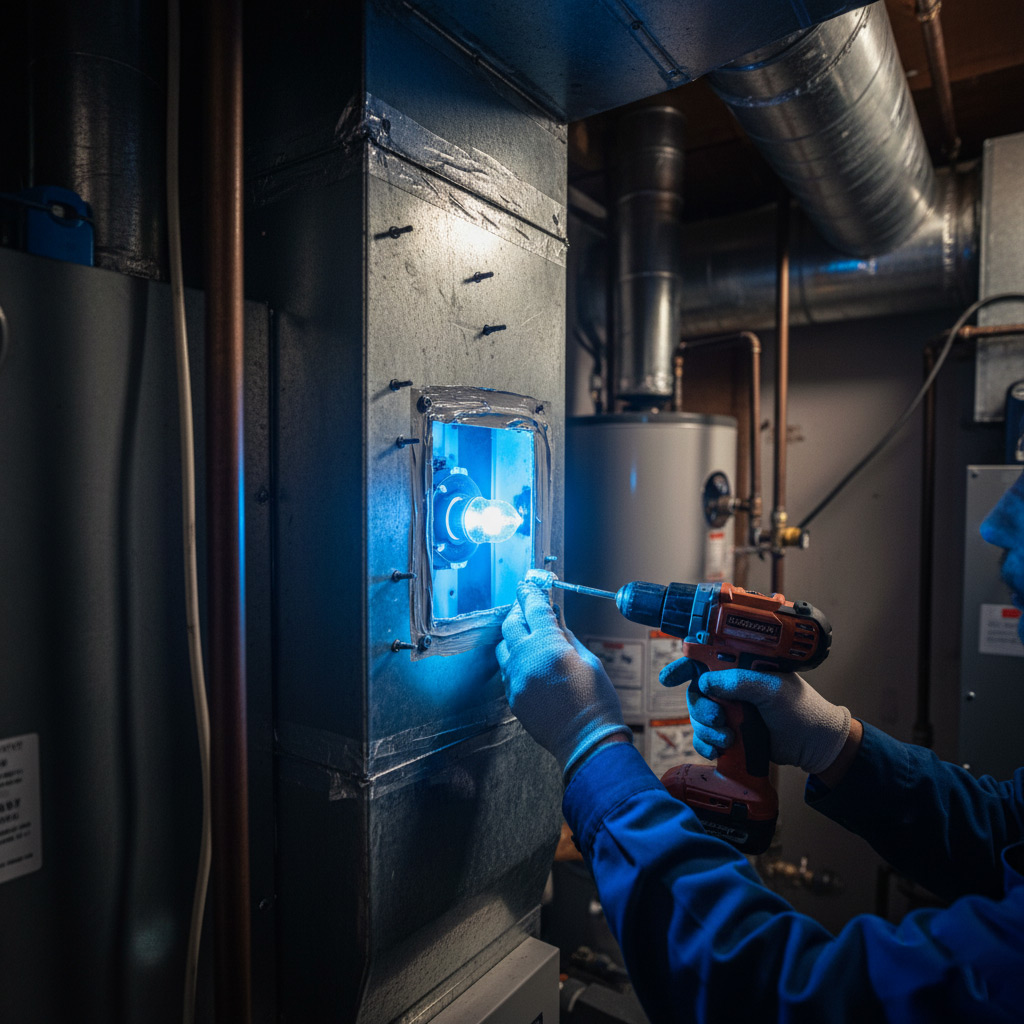
The Essential Pre‑Installation Checklist: Ductwork, Electrical, and Permits
Ductwork: The Hidden Highway
Before the first screw hits the floor, inspect every duct like you’re hunting for leaks in a treasure map. Bad ducts steal efficiency and crank up your bills.
- Seal every joint with mastic or UL‑listed tape – foil tape won’t cut it.
- Check for sagging sections; gravity loves to pull air down where it shouldn’t go.
- Measure the total square‑footage of supply and return runs; oversized ducts waste fan power.
Electrical: Power Up Right
The new unit will draw serious juice, so the circuit must be ready. A weak breaker is a recipe for trips and fire hazards.
- Confirm a dedicated 240‑volt circuit with the correct amperage rating for the unit.
- Verify that the breaker panel has enough space for a new double‑pole breaker.
- Label every new wire before you close the panel – future techs will thank you.
Permits: Stay Legal, Stay Safe
Skipping permits is a shortcut that ends in fines or a failed inspection. Chesapeake inspectors are strict, but they love a clean job.
- Apply for a mechanical permit through the City of Chesapeake Building Department.
- Keep the approved plans on site; the inspector will want to see them before the first test run.
- Schedule the final inspection within 30 days of installation to avoid penalties.
Vetting Contractors: Licenses, Reviews, and Warranty Guarantees
Check the License
In Chesapeake, a legit HVAC tech must hold a state‑issued contractor’s license and a local business permit. Ask to see the license number and verify it on the Virginia Department of Professional and Occupational Regulation website. If the paperwork is missing or looks shaky, walk away.
- License # and expiration date
- Proof of liability insurance
- Bonding information (if applicable)
Read the Reviews, Then Call References
Online ratings are a good start, but they can be gamed. Pick three recent reviews that mention timeliness, cleanliness, and post‑install support. Then request two homeowner references from the contractor’s last 12 months.
- Ask what surprised them (good or bad)
- Inquire about any follow‑up service calls
- Confirm the work was completed on schedule
Demand a Clear Warranty
A solid warranty protects your investment. Look for a minimum 5‑year parts guarantee and a separate labor warranty that covers installation errors. The contractor should hand you a written warranty sheet before any work begins—no verbal promises.
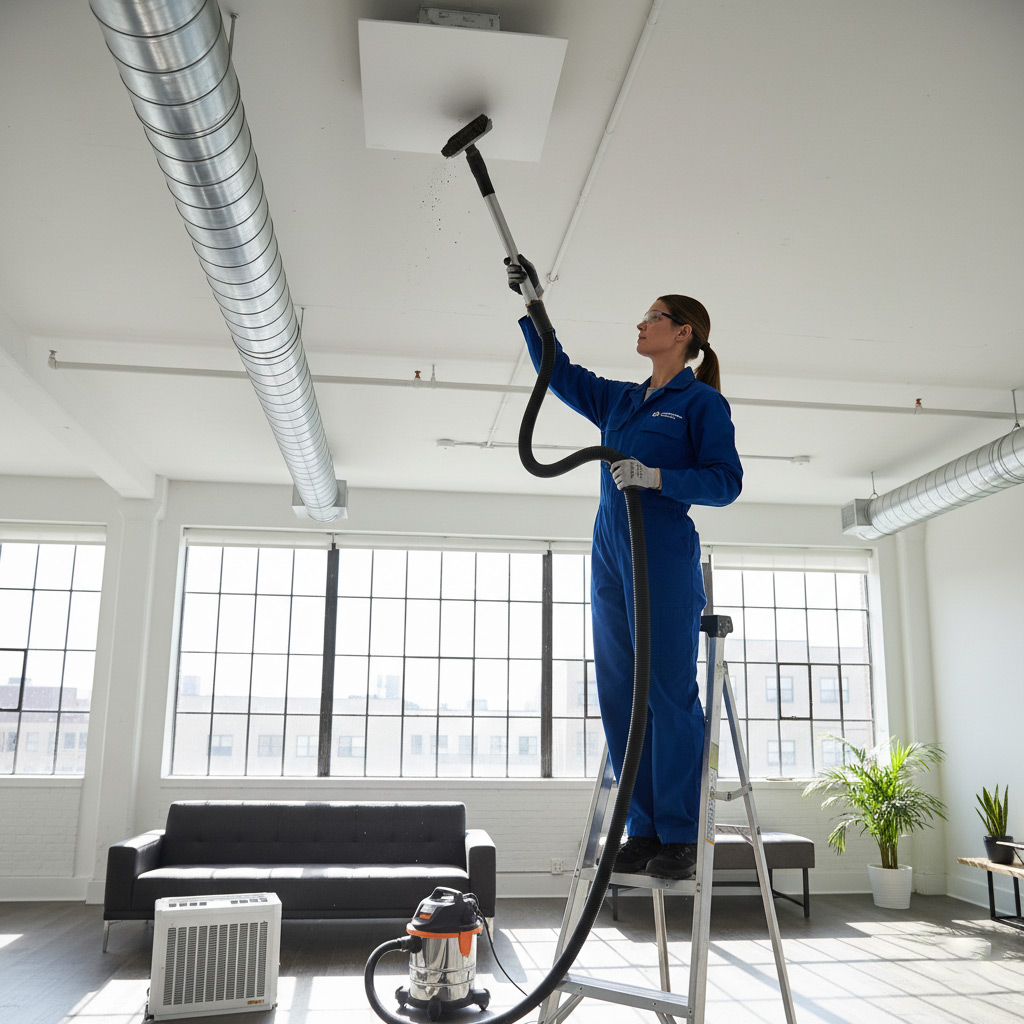
Installation Day: What to Expect and How to Spot Red Flags
Morning Roll Call
When the crew pulls up, they should introduce themselves and show a copy of their license and insurance card. Take a minute to verify the name matches the contract you signed. The day’s schedule will be posted on the job site—look for a clear start‑time, lunch break, and estimated finish.
- Team members wear branded shirts with company logo.
- They bring a written work order that lists every task.
- They confirm the correct unit model and serial number before opening the box.
Red Flag Radar
Keep your eyes peeled for shortcuts. If a tech starts drilling into walls without a clear plan, that’s a warning sign. Also, watch for any missing permits—your city requires a permit for new ductwork and electrical upgrades.
- Unexplained delays or “we’ll be right back” without explanation.
- Use of makeshift tools (like a hammer where a drill is needed).
- Refusal to let you see the paperwork or the warranty paperwork.
Wrap‑Up Checklist
When the job is done, the crew should walk you through the system, showing how to set the thermostat and where the service filter lives. They’ll hand you a completion report that includes the permit number, warranty details, and a maintenance schedule.
- Ask for a demo of the safety shut‑off and emergency reset.
- Get a copy of the warranty—look for a minimum of 10 years on the compressor.
- Schedule the first service visit within 30 days.
Case Study: How a Chesapeake Family Saved $2,300 with a Proper Replacement
The Situation
When the Martins noticed their energy bill creeping past $400 a month, they assumed the culprit was “just the weather.” They were wrong. Their 12‑year‑old split‑system was fighting a losing battle against Chesapeake’s humid summers and chilly winters.
The Solution
We walked them through a step‑by‑step replacement plan that hit every hidden cost before the first screw was turned.
- Performed a Manual J load calculation to size the unit precisely for their 2,300‑sq‑ft home.
- Inspected and sealed ductwork, fixing leaks that were throwing away 15% of heated air.
- Secured the correct permits, avoiding a $500 surprise from the city inspector.
- Chose a ENERGY STAR‑rated heat pump with a variable‑speed blower—perfect for Chesapeake’s swing‑season.
The Results
After the install, the Martins saw an immediate dip in their monthly bill and a boost in comfort.
- $2,300 saved in the first year alone.
- Noise level dropped from a rattling “train” to a whispering breeze.
- Warranty coverage extended to 10 years on parts, giving them peace of mind.
Final Words: Securing Long‑Term Comfort and Savings
Lock in the ROI from day one
When you follow the checklist, the new system pays for itself faster than you think. A properly sized, efficiently installed unit cuts utility bills by 15‑30% and reduces repair calls that drain your wallet.
Think of it as a smart investment: the upfront cost is offset by lower energy use, longer equipment life, and a higher resale value for your home.
Maintain the edge with a simple routine
Even the best system needs a little love. Schedule a HVAC Replacement check‑up every spring and fall, swap filters quarterly, and keep the outdoor coil clear of debris.
- Check thermostat settings – keep it at 78°F in summer, 68°F in winter.
- Inspect duct seals – a quick visual can catch leaks before they become costly.
- Listen for odd noises – early detection stops a minor hiccup from turning into a major repair.
Future‑proof your comfort
Consider adding a smart thermostat or zoning system now; they’re cheap upgrades that pay for themselves in energy savings. And if you ever need a tweak, you’ll have the paperwork and warranty details ready to go.
Bottom line: a disciplined approach today means you’ll enjoy steady, quiet comfort for years, without the surprise bills or frantic service calls.
People Also Ask
What are the top signs that my HVAC system needs replacement in Chesapeake?
Frequent breakdowns, rising energy bills, and uneven heating or cooling are clear indicators. If your system is over 10‑15 years old, it’s also time to consider a replacement.How do I choose the right HVAC size for my Chesapeake home?
A professional load calculation (Manual J) evaluates your home’s square footage, insulation, and window exposure. Selecting a unit that’s properly sized ensures efficiency and comfort year‑round.What pre‑installation checks should I complete before the HVAC installer arrives?
Verify that ductwork is sealed and properly insulated, confirm electrical capacity meets the new unit’s requirements, and obtain any necessary local permits. These steps prevent costly delays and performance issues.Why is it important to verify a contractor’s license and warranty in Chesapeake?
A valid Virginia HVAC license guarantees the contractor meets state safety and quality standards. A solid warranty protects your investment and ensures prompt service if problems arise.What red flags should I watch for on installation day?
Look out for unapproved shortcuts, such as unsecured duct connections or missing permits, and any lack of clear communication about the work schedule. Promptly addressing these issues helps avoid future system failures.
Chesapeake HVAC brings over a decade of experience delivering reliable heating and cooling solutions to homes and businesses throughout Chesapeake, VA. Their certified technicians specialize in energy‑efficient installations, preventative maintenance, and prompt repairs to keep the community comfortable year‑round. Committed to local service, they prioritize transparent communication and personalized care for every client.
Need HVAC?
We provide prompt, reliable service for your home and business needs throughout Chesapeake, VA and neighboring ZIP codes (23320, 23321, 23322, 23323, 23324). Our focus is on delivering fast results so you can move forward with confidence.
Request a fast quote