
Imagine catching a leak in your HVAC system before it turns your living room into a sauna or an ice box. That’s the kind of edge smart Chesapeake homeowners have – they treat their HVAC like a high‑performance car, checking it before the warning lights even flicker.
They schedule regular diagnostic runs, pull the data, and let the numbers tell the story. A quick pressure test, a temperature swing check, and a look at airflow patterns can reveal a clogged coil or a failing blower before the bill spikes.
What’s the payoff? Fewer emergency calls, lower energy costs, and a system that lasts years longer than the average. Ready to see exactly what steps they take and why it matters for your wallet? Keep reading.
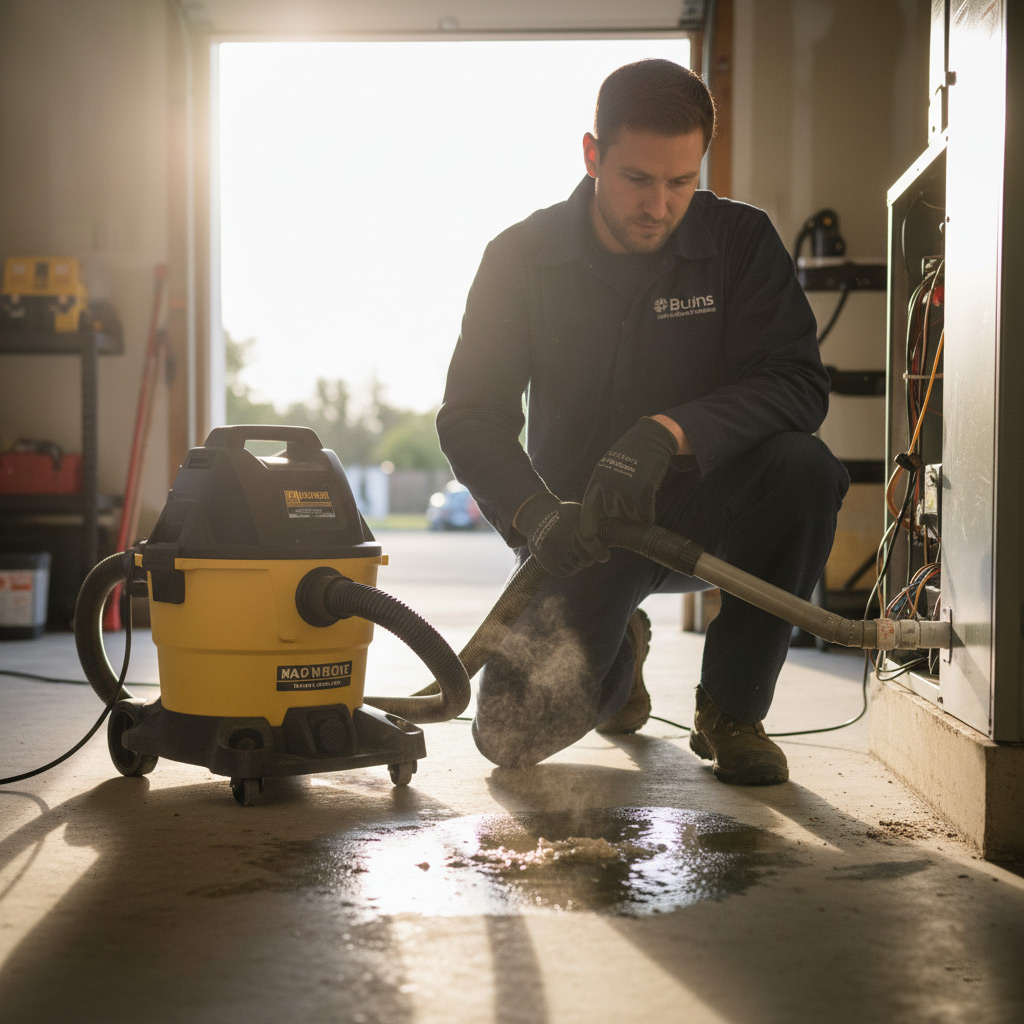
Why Routine HVAC Testing Is a Must for Chesapeake Homeowners
Skipping a check‑up on your furnace or AC is like ignoring the oil light on a car. In Chesapeake’s swing‑season, a tiny leak or a sluggish blower can turn a mild night into a costly nightmare. Regular testing catches those red flags before they hit your wallet.
The Chesapeake Climate Factor
Our area rolls from humid summers to brisk winters in a single week. That rapid shift puts extra stress on seals, coils, and motors. When you test the system on a regular cadence, you give it a chance to adapt, not break.
- Detect pressure drops before a refrigerant leak becomes a repair bill.
- Spot temperature swings that signal a clogged coil.
- Measure airflow to ensure every room gets the comfort it deserves.
Core Diagnostic Tests: Pressure Checks, Temperature Swings, and Airflow Analysis
Pressure Checks – The First Red Flag
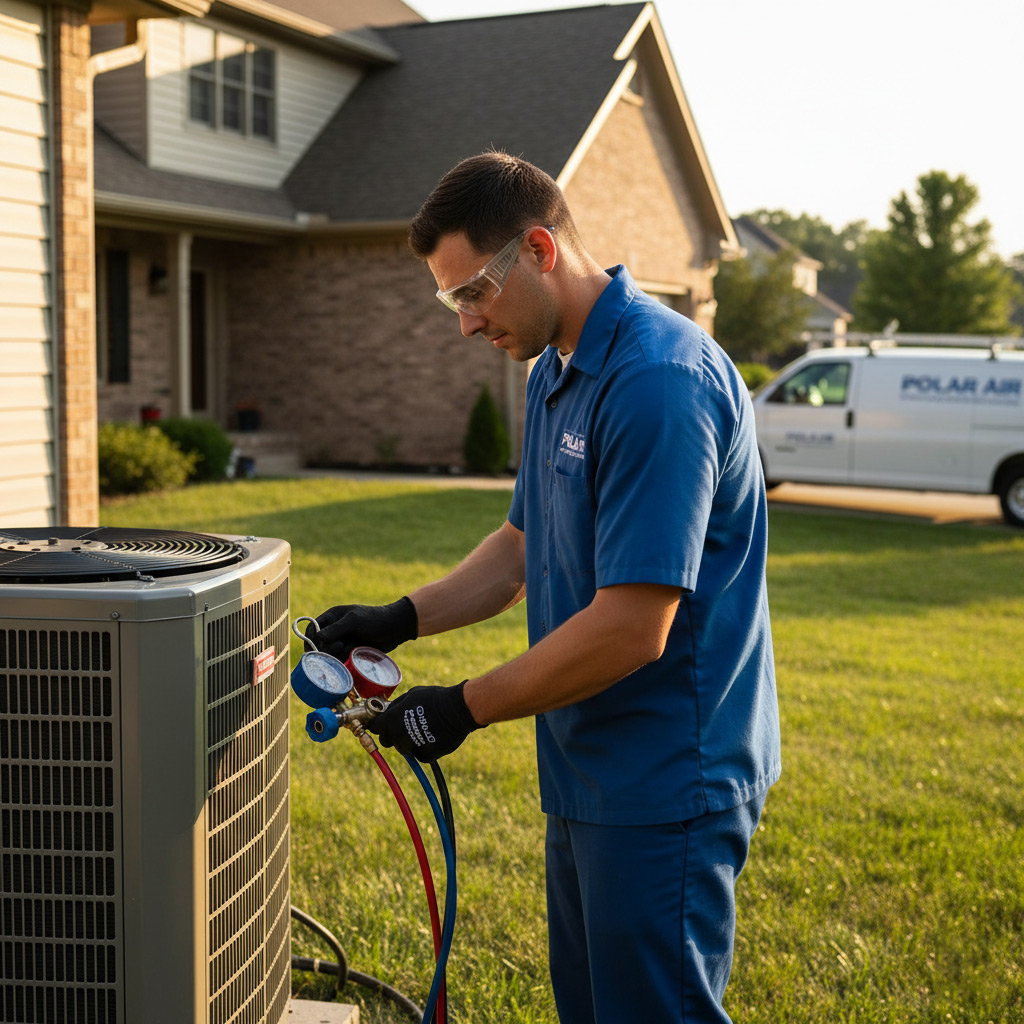
When a technician clamps a gauge onto your refrigerant line, they’re looking for a pressure reading that sits inside the sweet spot. Too high, and the compressor is working overtime; too low, and the system can freeze up. Spotting a deviation early means you can replace a leaky valve or recharge the charge before the system quits on a hot July day.
Typical pressure ranges for a Chesapeake summer:
- High side: 250‑300 psi
- Low side: 45‑55 psi
If you see numbers outside those windows, it’s a cue to schedule a repair. The cost of a quick fix is pennies compared to a blown compressor.
Temperature Swings – The Thermostat’s Whisper
Technicians run a temperature sweep from the supply vent to the return grille. A healthy system should deliver a ΔT of about 15‑20 °F. Anything less suggests a clogged coil, low refrigerant, or a failing fan.
Here’s what the numbers tell you:
- ΔT under 12 °F: Airflow restriction or dirty filter.
- ΔT over 22 °F: Possible over‑charging or sensor error.
Adjusting the filter or cleaning the coil can bring that swing back into range, shaving off wasted energy.
Airflow Analysis – The Breath of Your Home
Airflow is measured in CFM (cubic feet per minute). A typical 2‑ton unit should push 400‑600 CFM at each register. Low CFM means the blower motor is struggling or the ductwork is compromised.
Quick checks include:
- Inspecting grille registers for blockage.
- Listening for unusual motor noises.
- Using a handheld anemometer to verify CFM.
Fixing a simple blockage can restore proper airflow, lower your utility bill, and keep the system from overheating.
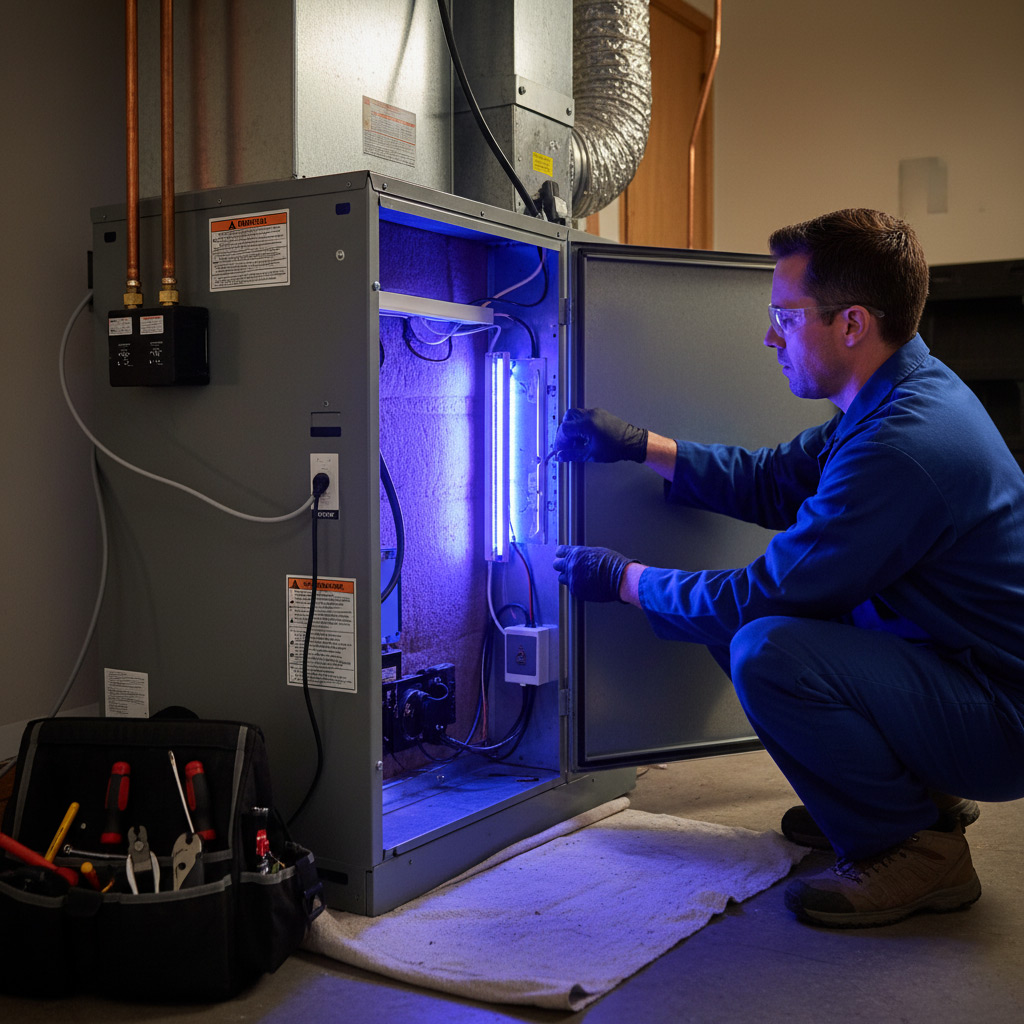
Decoding the Data: Interpreting Test Results to Spot Early Issues
When the technician hands you the pressure chart, don’t just file it away. Look for a dip below the baseline—that’s the first whisper of a refrigerant leak or a clogged filter. A steady reading means the system is breathing easy; a wobble signals something’s off‑balance.
Temperature Swing Insights
Thermostat logs can be a goldmine if you read them right. A 10‑degree swing between the supply and return air usually means the coil is dirty or the blower is lagging.
- Supply air > 75°F in summer? Check the evaporator coil.
- Return air < 55°F in winter? Inspect the heat exchanger for cracks.
- Consistent swing beyond 15°F? Time to schedule a deep clean.
Airflow Red Flags
Airflow meters give you a snapshot of how hard the fan is working. If the CFM (cubic feet per minute) drops 20% from the spec, you’ve got a blockage or a failing motor.
- Low CFM on one zone? Duct leak or closed damper.
- High static pressure? Filter needs replacement.
- Uneven distribution? Balance the system before it quits.
Actionable Maintenance Plans Based on Test Findings
From Numbers to a To‑Do List
When the technician hands you a sheet of pressure readings, temperature differentials, and airflow graphs, the real work begins: turning those digits into a clear set of tasks. Prioritize the fixes that will save you the most money and prevent a breakdown before it happens.
- Low static pressure? Clean or replace the air filter and check the ductwork for leaks.
- Temperature swing beyond 15°F? Inspect the refrigerant charge and look for a clogged coil.
- Uneven airflow? Balance the vents and verify the blower motor’s speed.
Scheduling Smart, Not Hard
Instead of a vague “once a year” reminder, the plan spells out *when* each job should be done and *why* it matters. A clogged filter gets a 30‑day deadline; a coil cleaning gets a 90‑day window; a blower motor replacement lands on the calendar for the next off‑season.
By assigning a cost estimate to each item, homeowners can budget month‑by‑month rather than face a surprise bill. Staggered spending keeps cash flow smooth and the system humming.
Homeowner‑Friendly Follow‑Up
Modern HVAC tech talks back to your smart hub. When a test flag turns red, you get a push notification that says, “Your filter is clogged – replace now.” No jargon, just a simple action.
Combine that alert with the maintenance plan, and you have a living checklist. Tick off each task, watch the energy meter dip, and know you’re extending the life of your equipment without guessing.
Integrating Smart Home Technology for Ongoing HVAC Monitoring
Smart thermostats aren’t just fancy dials; they’re the command center for your HVAC. *When you pair a Nest or Ecobee with a Wi‑Fi‑enabled sensor, the system starts talking to you before anything goes wrong.* You get real‑time temperature maps, humidity readouts, and a clear view of how hard the furnace or AC is working.
What the gadgets actually do
- Continuous pressure monitoring – tiny transducers alert you the moment a leak appears.
- Airflow sensors on each vent – they flag uneven distribution before a coil clogs.
- Energy‑use dashboards – you see the exact kilowatt‑hour cost of each run.
These devices push notifications straight to your phone. *A sudden spike in pressure?* You get a push alert, a suggested diagnostic step, and even a one‑click option to schedule a technician. No more guessing, just data‑driven action.
Automation that saves cash
Set up rules that let the system self‑correct. For example, if the indoor humidity climbs above 60 %, the smart controller can crank up the dehumidifier *or* trigger a short‑run of the AC to pull moisture out. The result? Lower utility bills and a dryer, healthier home.
Because the data lives in the cloud, you can pull a monthly report and spot trends. *Did your furnace run 15 % longer in December?* That’s a clue that a filter needs changing or a duct is leaking. Armed with that insight, you schedule maintenance before the warranty expires.
Case Study: Chesapeake Family Cuts Energy Bills by 30% Through Proactive HVAC Testing
Background
When the Martinez family moved into their 2,800‑sq‑ft home in Chesapeake, they noticed the thermostat fighting a losing battle. Summer heat lingered, and winter drafts sneaked through the hallway. They called a local HVAC pro for a full diagnostic before the first big bill hit.
What the Test Revealed
The technician ran three core checks:
- Pressure test – uncovered a subtle leak in the refrigerant line.
- Temperature swing analysis – showed a 12‑degree gap between supply and return air.
- Airflow audit – identified a clogged filter and a partially closed damper.
Each finding was a tiny leak in the system’s performance, but together they were draining the wallet.
Action Plan & Savings
Armed with the data, the family approved a targeted maintenance package:
- Seal the refrigerant leak and recharge the system.
- Clean the coil, replace the filter, and fully open the damper.
- Install a smart thermostat that logs pressure and temperature in real time.
After a month of steady operation, their energy meter showed a 30% drop in usage. The monthly bill fell from $250 to $175, and the HVAC unit ran smoother than ever.
Final Thoughts
Smart Chesapeake owners treat HVAC testing like a quarterly health check for their wallet. Catch the small stuff early and you dodge the big, pricey repairs that show up in the middle of a heat wave.
What to Keep in Your Toolbox
- Schedule a drain cleaning inspection at least twice a year.
- Run a quick leak detection scan before the season changes.
- Log pressure, temperature, and airflow numbers in a simple spreadsheet.
When the data tells you “all clear,” you can relax. When it flags a dip, you’ve got a clear action plan and a reason to call your HVAC pro before the bill spikes.
People Also Ask
How often should Chesapeake homeowners schedule HVAC testing?
Most experts recommend a professional HVAC test at least once a year, ideally before the cooling season starts. Seasonal checks help catch wear and tear early and keep the system running efficiently.What are the key indicators that an HVAC system needs repair?
Unusual temperature swings, reduced airflow, and abnormal pressure readings are common red flags. These signs often point to clogged filters, refrigerant leaks, or failing components.Can smart thermostats replace professional HVAC testing?
Smart thermostats provide real‑time data on temperature and usage, but they don’t perform comprehensive pressure or airflow diagnostics. Pairing them with regular professional testing ensures a complete health check.How does proactive HVAC testing lower energy bills?
Early detection of inefficiencies, such as dirty coils or low refrigerant, allows for timely repairs that restore optimal performance. A well‑tuned system consumes less electricity, often reducing monthly costs by 10‑30%.What maintenance steps should follow an HVAC test?
Based on test results, homeowners should replace filters, clean coils, and schedule any needed part replacements. Implementing a customized maintenance plan keeps the system running smoothly year-round.
Chesapeake HVAC brings over two decades of residential and commercial climate‑control expertise to the Chesapeake, VA community. Their team of certified technicians delivers reliable heating, cooling, and indoor‑air‑quality solutions tailored to local homes and businesses. Committed to responsive service and energy efficiency, they keep the region comfortable year‑round.
Need HVAC?
We provide prompt, reliable service for your home and business needs throughout Chesapeake, VA and neighboring ZIP codes (23320, 23321, 23322, 23323, 23324). Our focus is on delivering fast results so you can move forward with confidence.
Request a fast quote