
Picture this: the temperature drops below 30°, the wind howls outside, and your furnace coughs its last breath. You’re left shivering, staring at a thermostat that refuses to climb. That’s the moment every homeowner in Chesapeake wishes they could avoid.
A brand‑new gas furnace isn’t just a luxury—it’s the backbone of a comfortable home when the Atlantic storms roll in. With the right unit, you’ll slash energy bills, boost indoor air quality, and keep the whole family snug without the constant worry of a breakdown.
What if you could walk through the entire replacement process without guessing, missteps, or surprise costs? In the next few minutes we’ll break down every step—from sizing the perfect model to the final safety check—so you can move forward with confidence. Let’s get started.
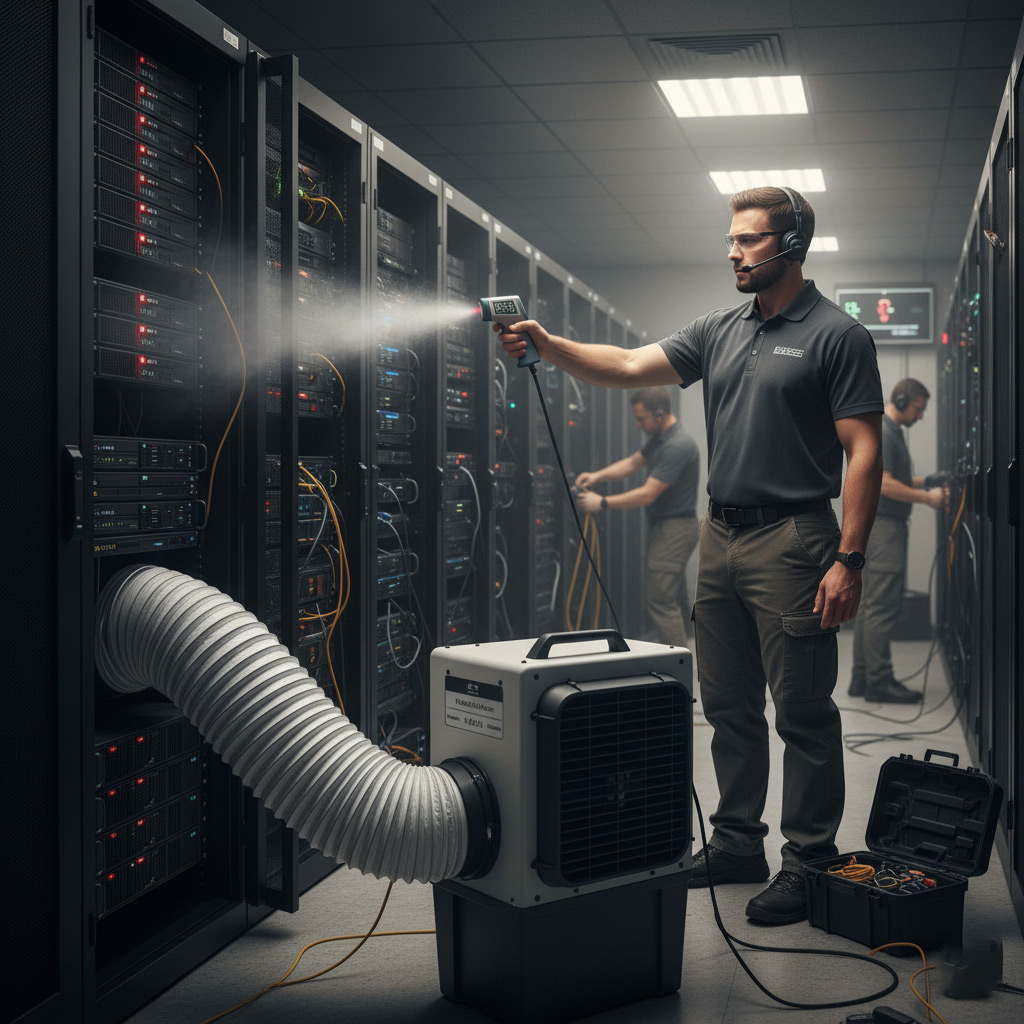
Assessing Your Home’s Heating Needs and Determining the Correct Furnace Size
Why Size Matters
Too small a furnace leaves you shivering while the thermostat fights a losing battle. Too big a unit cycles on and off, wasting fuel and shortening the system’s life. The sweet spot delivers steady warmth and keeps your wallet happy.
Key Factors That Influence Size
- Square footage – Bigger rooms need more heat.
- Climate zone – Chesapeake’s coastal breezes demand a little extra capacity.
- Insulation quality – Leaky walls and attic gaps steal warmth fast.
- Window count and type – Single‑pane glass is a heat thief.
- Ceiling height – Higher ceilings increase the volume of air to heat.
Getting the Numbers Right
Professional HVAC techs run a Manual J load calculation. It crunches the data above and spits out a precise BTU rating. That number tells you the exact furnace size your home needs.
Don’t guess. A quick online calculator can give a ballpark, but only a certified technician can factor in hidden losses like duct leaks or sun‑exposed walls. Trust the pros, and you’ll avoid the costly mistake of an oversized or undersized system.
Decoding Energy Efficiency Ratings: Choosing the Most Cost‑Effective Model
What the AFUE Number Really Means
AFUE stands for Annual Fuel Utilization Efficiency. It tells you how much heat a furnace turns into usable warmth versus what escapes up the chimney.
A furnace with a 95% AFUE converts 95 cents of every dollar of fuel into heat. The remaining 5 cents are lost. The higher the number, the less you’ll pay for each degree you crank up the thermostat.
Balancing Upfront Cost and Long‑Term Savings
High‑efficiency units (96% AFUE and above) carry a bigger price tag, but they often qualify for local rebates in Chesapeake. Those rebates can shave $500‑$1,200 off the bill.
Do the math: a $2,500 furnace at 96% AFUE versus a $1,800 unit at 80% AFUE. Over a 10‑year span, the high‑efficiency model can save $1,200‑$1,500 in fuel costs, paying for itself.
Key Ratings to Scan Before You Buy
- AFUE – the headline number, look for 90% + for real savings.
- SEER – if you’re eyeing a combo heat‑pump, this rating matters for cooling.
- Variable‑speed blower – smoother airflow, less wear, quieter operation.
- Ignition type – electronic ignition beats standing pilot in both safety and efficiency.
Remember, the cheapest unit on the shelf isn’t always the cheapest in your wallet. Focus on the numbers that affect your monthly bill, and let the rebates do the heavy lifting.
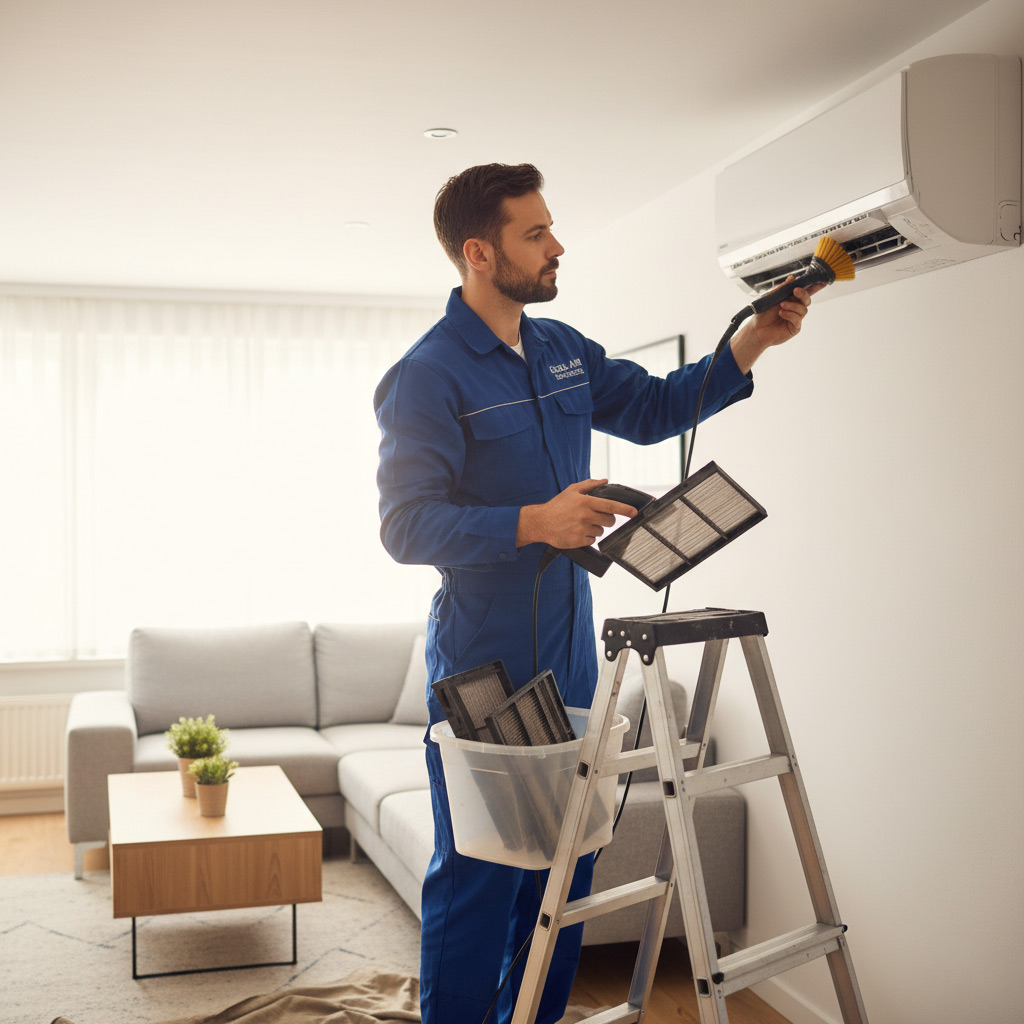
Preparing for Installation: Permits, Ductwork Evaluation, and Safety Precautions
Before any heavy lifting begins, you need the green light from your city. Chesapeake requires a mechanical permit for any new gas furnace, and the inspector will want to see a clear plan. Skipping this step can cost you fines, re‑work, or even a failed inspection.
Permits & Inspections
- Apply for a Mechanical Permit at the City of Chesapeake Building Department.
- Schedule a pre‑installation inspection if your home is in a historic district.
- Keep the permit copy handy for the final sign‑off.
Next up is the ductwork. A brand‑new furnace can’t perform if the air pathways are clogged, leaky, or undersized. A quick visual check plus a pressure test will tell you if you need repairs before the new unit goes live.
Ductwork Check
- Inspect all visible ducts for holes, loose connections, or crushed sections.
- Measure the main trunk size; it should match the furnace’s airflow rating.
- Seal gaps with UL‑rated foil tape or mastic for optimal efficiency.
Safety isn’t an afterthought—it’s the foundation of the whole project. Gas lines, electrical connections, and clearances all have hard limits, and a misstep can turn a cozy upgrade into a hazard.
Safety First
- Turn off the gas supply and verify with a leak detector before cutting any pipe.
- Ensure the furnace sits at least 12 inches from combustible materials.
- Use a qualified electrician for all wiring; improper grounding is a recipe for trouble.
Step‑by‑Step Installation Process: From Removal of the Old Unit to Final Hook‑up
Removing the Old Furnace
First, the technician shuts off gas, electricity, and the blower motor. Safety is non‑negotiable, so a leak detector is run before any disassembly.
Next, the old cabinet is unbolted from the floor and carefully lifted out. It’s not a heavy‑lifting contest—the crew uses a hoist to avoid damage to walls or flooring.
- Cap the gas line with a certified plug.
- Disconnect the vent pipe and seal the opening.
- Label all wiring for a painless reconnection.
Preparing the New Unit
With the space cleared, the installer checks the existing ductwork for leaks and proper sizing. Any gaps are sealed with foil‑tape and mastic to keep air where it belongs.
The new furnace is positioned on a level, insulated pad. This prevents vibration and protects the floor from moisture.
- Attach the mounting brackets securely.
- Align the blower and heat exchanger for optimal airflow.
- Install the new gas line using a flexible, UL‑rated connector.
Connecting, Testing, and Clean‑up
All electrical connections are made, then the system is powered up for a brief “smoke test.” The technician watches for any abnormal noises or smells.
Finally, the vent is sealed, the thermostat calibrated, and a full performance run is logged. The crew sweeps the area, removes debris, and hands you a simple checklist for the first 30‑day run.
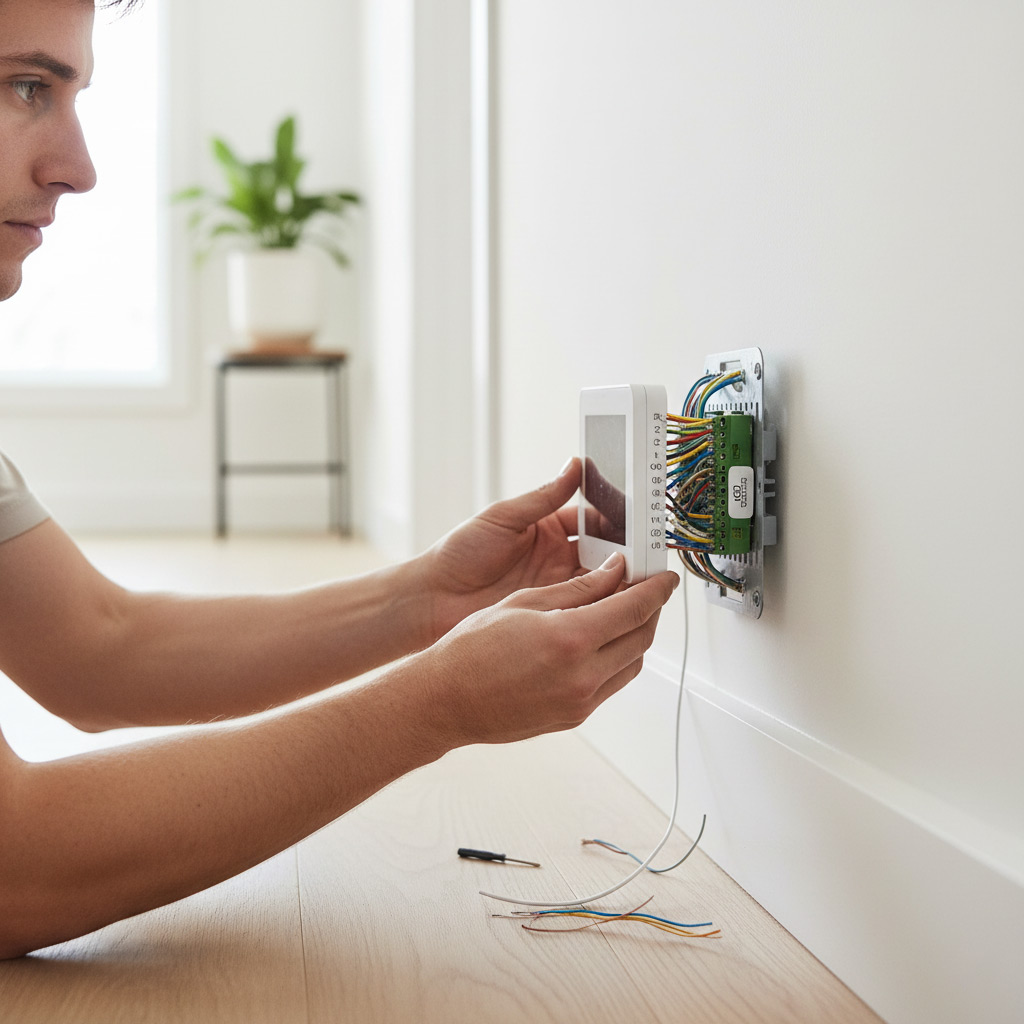
Post‑Installation Checks: Performance Testing, Calibration, and Ongoing Maintenance
Performance Testing
Once the furnace is hooked up, the tech runs a quick start‑up sequence to verify that every component fires correctly. Airflow, gas pressure, and ignition timing are measured with calibrated tools, and any out‑of‑spec reading triggers an immediate adjustment.
- Measure supply and return air temperatures – look for a 20‑30°F delta.
- Check combustion gases with a CO detector – levels must be below 400 ppm.
- Run a blower motor test – ensure it reaches the rated CFM without excess noise.
Calibration
After the furnace passes the basic tests, the technician fine‑tunes the thermostat and safety limits. This step guarantees that the unit responds to a 1‑degree change without hunting or overshooting. Proper calibration also locks in the efficiency rating you paid for.
- Set the high‑limit cut‑off to the manufacturer’s spec.
- Program the thermostat’s “away” and “comfort” schedules.
- Verify the draft inducer pressure – it should sit within the approved range.
Ongoing Maintenance
Even the best furnace will lose its edge if you skip regular care. Schedule a professional check‑up at least once a year, preferably before the heating season kicks in. Simple homeowner tasks keep the system humming between visits.
- Replace or clean the air filter every 30‑60 days.
- Inspect the condensate drain for clogs.
- Listen for unusual rattles or whines during operation.
Case Study: Successful Gas Furnace Replacement in a Chesapeake Family Home
The Situation
When the Martins noticed their 12‑year‑old furnace sputtering on a 32° night, they called us. The unit was undersized for their 2,300‑sq‑ft ranch, and the ductwork had a few leaks that made every heating cycle feel like a gamble.
They wanted a fix that wouldn’t break the bank but would keep the kids warm while the Atlantic storms rolled in.
The Solution
Our techs performed a quick load‑calculation, then installed a 95% AFUE, 80,000‑BTU gas furnace that matched the home’s square footage. We also sealed the main trunk line and added a simple return‑air grille to improve airflow.
Installation took just under a day. We wrapped up with a thorough safety check and a walkthrough for the family.
The Results
Within a week, the Martins reported a noticeable drop in their energy bill—about 18% lower than before. The house stayed at a steady 70°F even when the wind gusted 45 mph.
- Comfort: No more cold spots in the upstairs bedroom.
- Reliability: The new furnace ran flawlessly for the first 30 days.
- Peace of mind: The family now trusts their heating system during every storm.
Final Words
What’s Next?
Now that you’ve walked the whole process, the smartest move is to lock in a qualified Chesapeake installer before the first frost hits. Ask for a written quote, verify their license, and confirm they’ll handle permits, duct checks, and the final safety test.
Don’t forget to explore financing options—many local providers offer zero‑interest plans that let you spread the cost while you start saving on energy bills right away.
Stay Ahead of the Curve
Even the best furnace needs a little love. Schedule a professional tune‑up within 30 days of installation, then set a calendar reminder for a yearly check‑up. A quick filter swap and a visual inspection of the venting can keep your system humming for years.
- Check the Gas Furnace Installation page for maintenance packages.
- Keep an eye on the thermostat; a sudden jump in usage often signals a problem.
- Know your warranty terms—most manufacturers require a documented service record.
People Also Ask
How do I determine the right size furnace for my Chesapeake home?
Calculate the heating load using a Manual J assessment, which considers square footage, insulation, window types, and local climate. A professional HVAC contractor can perform this analysis to recommend the optimal BTU rating.
What energy‑efficiency rating should I look for when buying a new gas furnace?
Target furnaces with an AFUE (Annual Fuel Utilization Efficiency) of 90% or higher; high‑efficiency models often reach 95%–98% AFUE. Higher AFUE units reduce fuel costs and may qualify for local rebates.
Do I need a permit to install a gas furnace in Chesapeake, VA?
Yes, Chesapeake requires a building permit for gas furnace installations to ensure compliance with safety codes. Your HVAC installer will typically handle the permit application and inspection scheduling.
Can I reuse my existing ductwork for a new furnace?
Existing ducts should be inspected for leaks, proper sizing, and insulation. If they meet current standards, they can be cleaned and sealed; otherwise, upgrades may be necessary for optimal performance.
What maintenance steps should I follow after my furnace installation?
Schedule a professional tune‑up annually, replace filters every 1–3 months, and keep the area around the furnace clear of debris. Regular maintenance ensures efficiency, prolongs lifespan, and maintains warranty coverage.
Chesapeake HVAC brings more than a decade of expertise to homes and businesses across Chesapeake, VA. Their certified technicians specialize in energy‑efficient installations, preventative maintenance, and prompt repairs, keeping the community comfortable year‑round. With a deep commitment to local service, they understand the unique climate challenges of the area.
Need HVAC?
We provide prompt, reliable service for your home and business needs throughout Chesapeake, VA and neighboring ZIP codes (23320, 23321, 23322, 23323, 23324). Our focus is on delivering fast results so you can move forward with confidence.
Request a fast quote