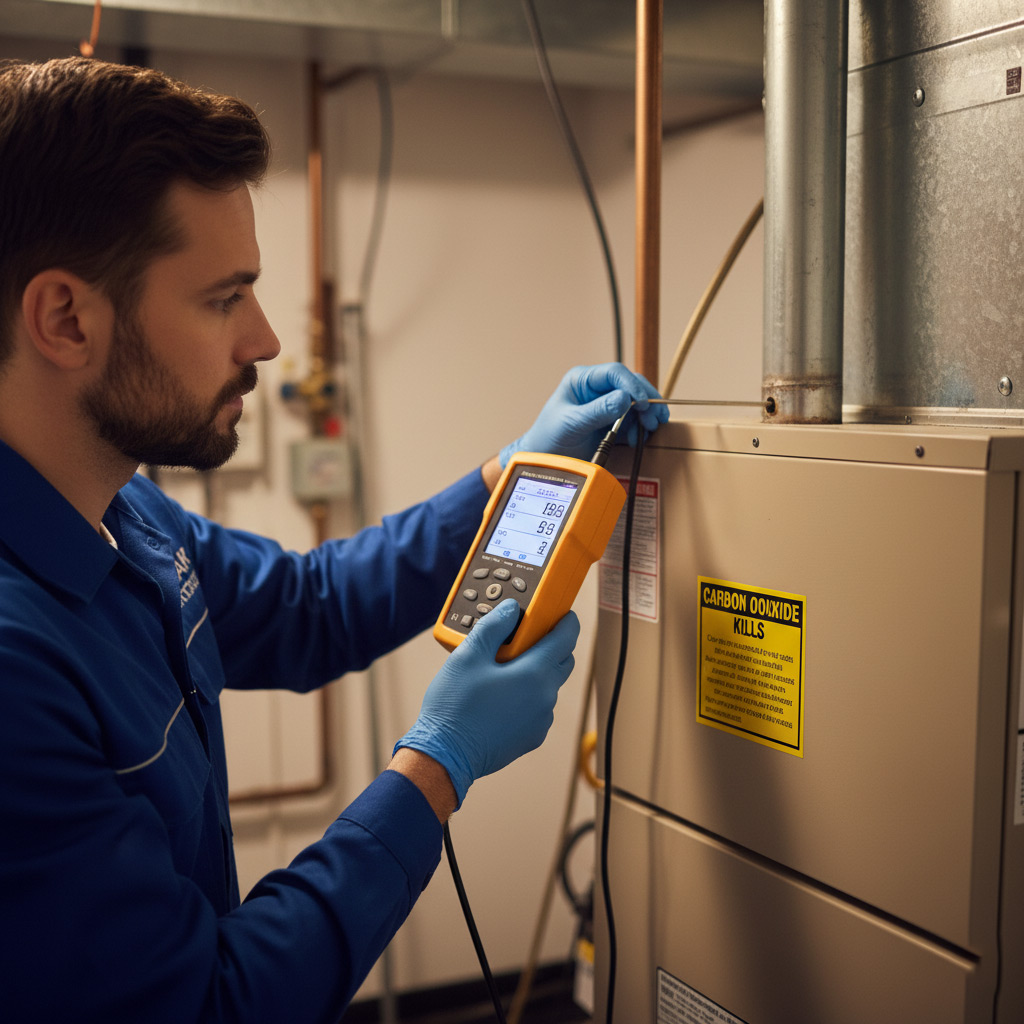
If you think a furnace is just a metal box that blows hot air, you’re dead wrong. The truth is, every time you flip that thermostat you’re betting on a complex dance of parts that can either keep you cozy or leave you shivering.
Most homeowners swallow the same myths: “All HVAC companies are the same,” “A cheap repair will last forever,” and “If it’s working now, I don’t need a check‑up.” Those stories cost you money, comfort, and peace of mind.
Living in Chesapeake means battling humid summers, icy winters, and the occasional surprise storm. That climate puts extra pressure on your system, and only a few local pros truly understand how to tune it for our unique weather patterns.
Ready to separate fact from fiction and discover what a real Chesapeake HVAC service looks like? Keep reading and we’ll pull back the curtain on the hidden truths every homeowner should know.
Understanding the Unique Climate Challenges in Chesapeake, VA
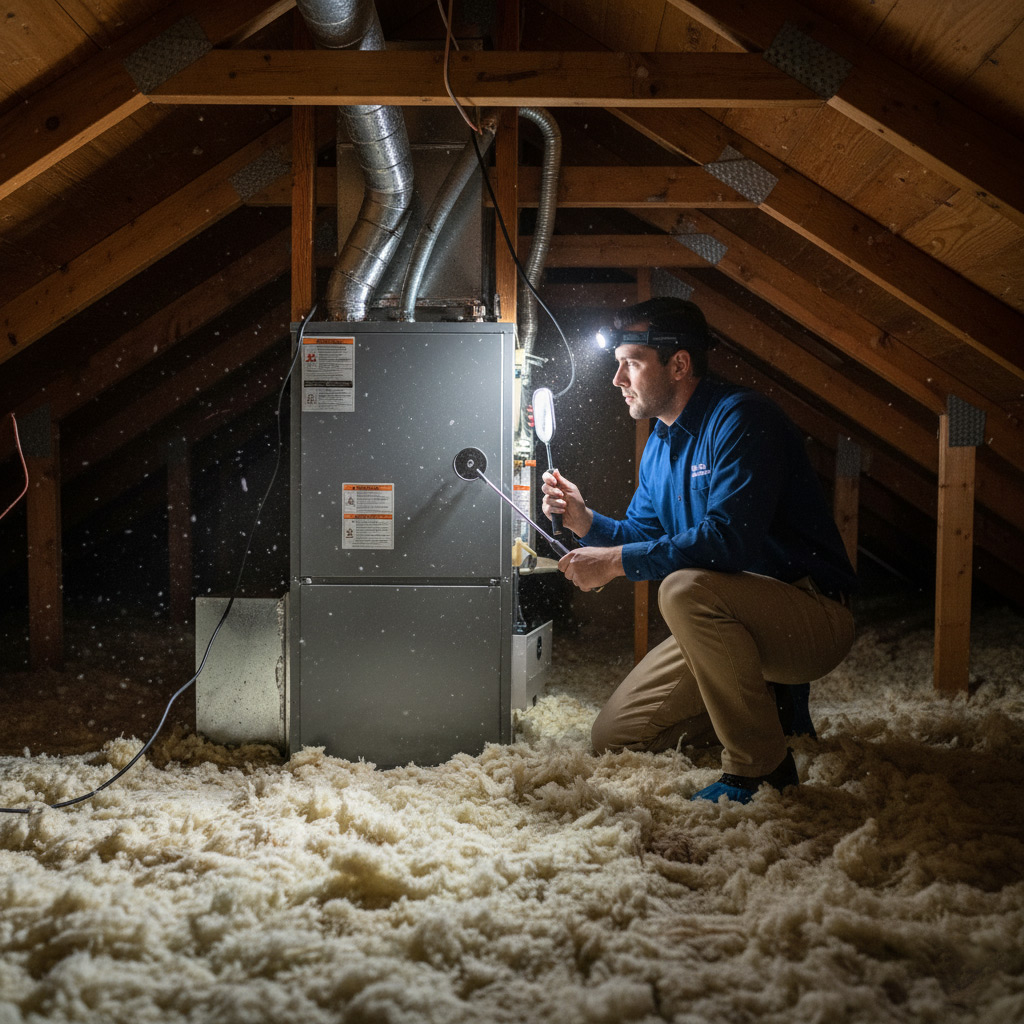
Chesapeake sits on the edge of the Atlantic, so you get a mix of salty sea breezes and inland heat. Summers are sticky, with humidity often topping 80%, while winter nights can dip below freezing. That swing forces your HVAC system to work harder than in a milder zone.
What the Weather Demands from Your System
When the mercury climbs, the air conditioner isn’t just cooling – it’s battling moisture. When the temperature drops, the furnace must heat quickly to keep pipes from freezing. Both extremes create extra wear and tear.
- High humidity → condensate buildup, reduced efficiency
- Rapid temperature shifts → frequent cycling, motor fatigue
- Occasional storms → power spikes, potential water intrusion
Even within Chesapeake, neighborhoods near the river experience more moisture than those farther inland. That means a one‑size‑fits‑all HVAC plan won’t cut it. Tailoring your system to the local micro‑climate saves energy, cuts repairs, and keeps your home comfortable year‑round.
How to Choose the Right Residential HVAC System for Your Home
Step 1: Size Matters
Before you even glance at a brand, you need to know how much air your house actually needs. A system that's too small will run nonstop, while an oversized unit will short‑cycle and waste energy.
- Square footage – Rough rule: 1 ton per 600‑800 sq ft, but adjust for ceiling height.
- Insulation quality – Well‑sealed homes need less capacity.
- Number of occupants – More people = more heat generated.
Step 2: Pick the Right Technology
Chesapeake’s humid summers and chilly winters demand a system that can handle both ends of the temperature spectrum. Decide whether a traditional furnace‑air conditioner combo, a heat pump, or a ductless mini‑split fits your lifestyle.
- Heat pump – Great for moderate winters, saves on electric bills.
- Gas furnace with central AC – Ideal if you have cheap natural gas.
- Ductless mini‑split – Perfect for add‑on rooms or older homes without ducts.
Step 3: Look Beyond the Sticker Price
Cheap upfront can cost you big later. Focus on efficiency ratings, warranty length, and the reputation of the installer who knows Chesapeake’s quirks.
- SEER (Seasonal Energy Efficiency Ratio) – Aim for 16+ for air conditioners.
- AFUE (Annual Fuel Utilization Efficiency) – 90%+ for furnaces.
- Local service reviews – A tech who knows the area’s humidity will tune the system right.
Essential Maintenance Tasks That Extend System Lifespan
Filter Replacement – The Low‑Cost Lifesaver
Dirty filters are the #1 cause of reduced airflow and higher energy bills. Swap them out every 30‑90 days, depending on usage and pet hair.
When you change the filter, you’re doing two things at once: protecting the blower motor and keeping indoor air clean.
- Check the color – if it looks gray or black, it’s time for a new one.
- Use the right size – a snug fit prevents air bypass.
- Set a calendar reminder – you’ll never forget again.
Check the Thermostat & Ductwork
A mis‑calibrated thermostat can make your furnace run nonstop or shut off too early. Give it a quick sanity check before the season changes.
Leaky ducts are silent energy thieves. Seal gaps with mastic or foil tape, and you’ll feel the difference instantly.
- Test the thermostat by raising the temperature a few degrees; it should respond within a minute.
- Inspect visible ducts for loose connections or holes.
- Consider a programmable thermostat – it saves money without any effort.
Annual Pro Tune‑Up
Even the best DIY routine can’t replace a trained technician’s eye. A yearly service catches wear before it becomes a breakdown.
During the visit, the pros will check refrigerant levels, tighten electrical connections, and clean the heat exchanger – all tasks that add years to your system’s life.
- Ask for a performance report so you know exactly what was done.
- Schedule before peak season to avoid rushed appointments.
- Keep the service receipt – it’s proof of proper maintenance for warranty claims.
Common Misconceptions About HVAC Repairs and Their True Costs
Myth #1: The Cheapest Quote Wins
Homeowners love a low price, but a bargain repair often hides extra fees. Cheap parts wear out faster, forcing you back to the shop within months.
When you compare bids, look beyond the headline number. A transparent quote will break down:
- Labor: Skilled tech time vs. a rookie’s hour rate.
- Parts: OEM vs. generic, with warranty details.
- Follow‑up: Any post‑repair service included?
Myth #2: If It Runs, It’s Healthy
Just because the furnace fires up doesn’t mean it’s in good shape. Ignoring subtle signs can cost you a full‑system replacement down the road.
Typical red flags that most owners overlook:
- Strange noises – rattles, squeals, or whines.
- Inconsistent temperatures between rooms.
- Higher utility bills without a change in usage.
Myth #3: All Parts Are the Same
Swapping a cheap capacitor for a $300 OEM part might save a few bucks now, but it can damage the compressor later. Quality matters when the system is under constant stress from Chesapeake’s humidity and winter chill.
Investing in the right component pays off:
- Longer lifespan – fewer breakdowns.
- Better warranty coverage.
- Consistent performance, season after season.
Signs Your HVAC System Needs Professional Service Now
Odd noises that won’t quit
When your furnace starts rattling like a junkyard truck, it’s screaming for help. Ignore it and you’ll invite costly breakdowns. A quick call can stop the clatter before it turns into a full‑blown failure.
Temperature tantrums
One room feels like a sauna while the next feels like a freezer? That’s a classic sign the blower or refrigerant line is out of balance. Don’t settle for patchwork fixes. A pro will rebalance the system and restore comfort.
Energy bill spikes
If your electric bill jumps 20 % or more without a change in usage, the HVAC is working harder than it should. That extra strain means wear and tear you can’t see. Call a technician before the hidden damage drains your wallet.
- Frequent short‑cycling – the unit turns on and off every few minutes.
- Weak airflow – vents barely push air, even on high fan.
- Moisture or ice forming on the coil – a clear sign of refrigerant issues.
- Unpleasant odors – could be mold, burnt wiring, or a cracked heat exchanger.
Case Study: Transforming a Chesapeake Family Home’s Comfort and Efficiency
Before the Intervention
The Johnsons lived in a 2,500‑sq‑ft ranch built in the ’90s. Their furnace sputtered in January, the AC sweated in July, and the energy bill ballooned to $350 a month. They were stuck in a cycle of patch‑up repairs that never solved the root problem.
The Turnaround
Our crew performed a full system audit and discovered three critical issues: an undersized heat pump, clogged air filters, and a duct network riddled with leaks. We replaced the heat pump with a variable‑speed model, sealed the ducts, and installed a smart thermostat. The result? A 28% drop in utility costs and consistent indoor temperatures year‑round.
- New heat pump: 20‑SEER rating, quieter operation.
- Duct sealing: 15% reduction in airflow loss.
- Smart thermostat: Adaptive scheduling, remote control.
Three months later the Johnsons reported sleeping better, no more cold spots, and a smile every time they glance at the thermostat. That’s the kind of transformation a local Chesapeake pro can deliver.
Final Words: Making Informed HVAC Decisions for Year‑Round Comfort
Ask the Right Questions
Before you sign a contract, fire off a checklist. What’s the SEER rating? How many years of warranty are you getting? Who will handle emergency service after hours?
- Is the system sized for Chesapeake’s humidity and winter chill?
- Do they offer a written maintenance plan?
- Will they perform a leak detection test on the first visit?
Budget With Confidence
Don’t let a low‑ball quote blind you. A solid system pays for itself in lower bills and fewer breakdowns. Look for a clear line‑item estimate that separates equipment cost from labor.
Schedule a yearly tune‑up that includes drain cleaning. It’s a cheap move that stops costly clogs before they happen. When you know exactly what you’re paying for, you can plan for upgrades without surprise invoices.
Trust the Local Pros Who Know Chesapeake
Seasoned technicians understand how a salty sea breeze can corrode coils faster than inland units. They’ll adjust refrigerant levels and airflow to match our swing‑season weather.
Pick a company that backs every job with a performance guarantee. That’s the safety net that turns a purchase into an investment you can sleep on, no matter if it’s 95°F outside or a snowstorm rolls in.
People Also Ask
What climate factors in Chesapeake, VA affect residential HVAC performance?
The humid subtropical climate brings hot, humid summers and mild winters, which puts extra strain on both cooling and heating components. High humidity can cause condensation issues, while occasional cold snaps require reliable heating capacity.How do I determine the correct HVAC size for my Chesapeake home?
A professional load calculation (Manual J) considers square footage, insulation, window orientation, and local weather patterns. This ensures the system isn’t oversized (wasting energy) or undersized (failing to maintain comfort).What routine maintenance tasks can extend my HVAC system’s lifespan?
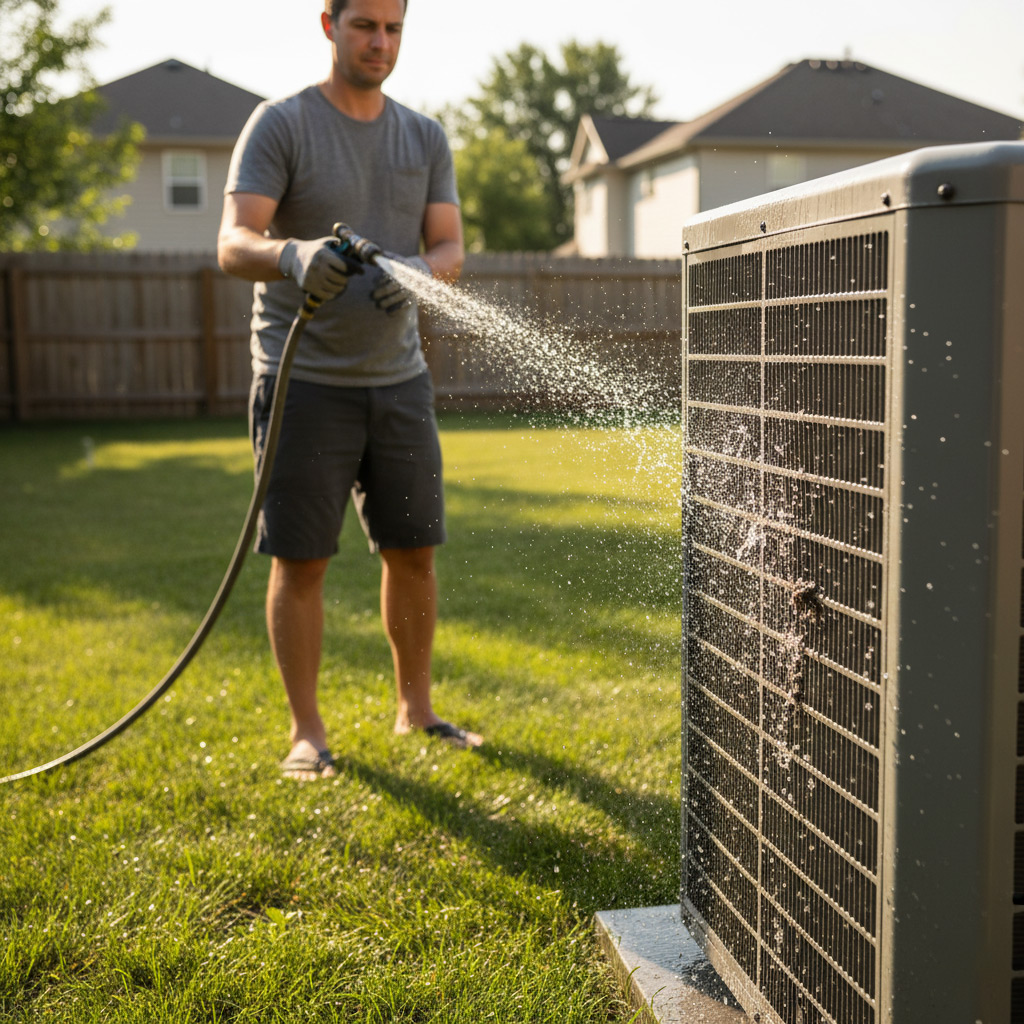
Changing or cleaning filters every 1–3 months, clearing debris from outdoor units, and scheduling annual professional tune‑ups are the most effective steps. These actions keep airflow optimal and catch wear before it becomes costly.Why are HVAC repair quotes often higher than expected in Chesapeake?
Many homeowners overlook hidden costs such as labor rates, parts markup, and emergency service fees. Transparent quotes should break down each component, helping you compare value across providers.What are the warning signs that my HVAC system needs immediate professional service?
Unusual noises, inconsistent temperatures, frequent cycling, and a sudden rise in energy bills all indicate a problem. Ignoring these signs can lead to major failures and higher repair expenses.
Chesapeake HVAC brings over a decade of residential and commercial climate‑control expertise to the Chesapeake community. Their team of certified technicians delivers reliable heating, cooling, and indoor‑air‑quality solutions tailored to local homes and businesses. Committed to responsive service, they prioritize comfort and efficiency for every client.
Need HVAC?
We provide prompt, reliable service for your home and business needs throughout Chesapeake, VA and neighboring ZIP codes (23320, 23321, 23322, 23323, 23324). Our focus is on delivering fast results so you can move forward with confidence.
Request a fast quote