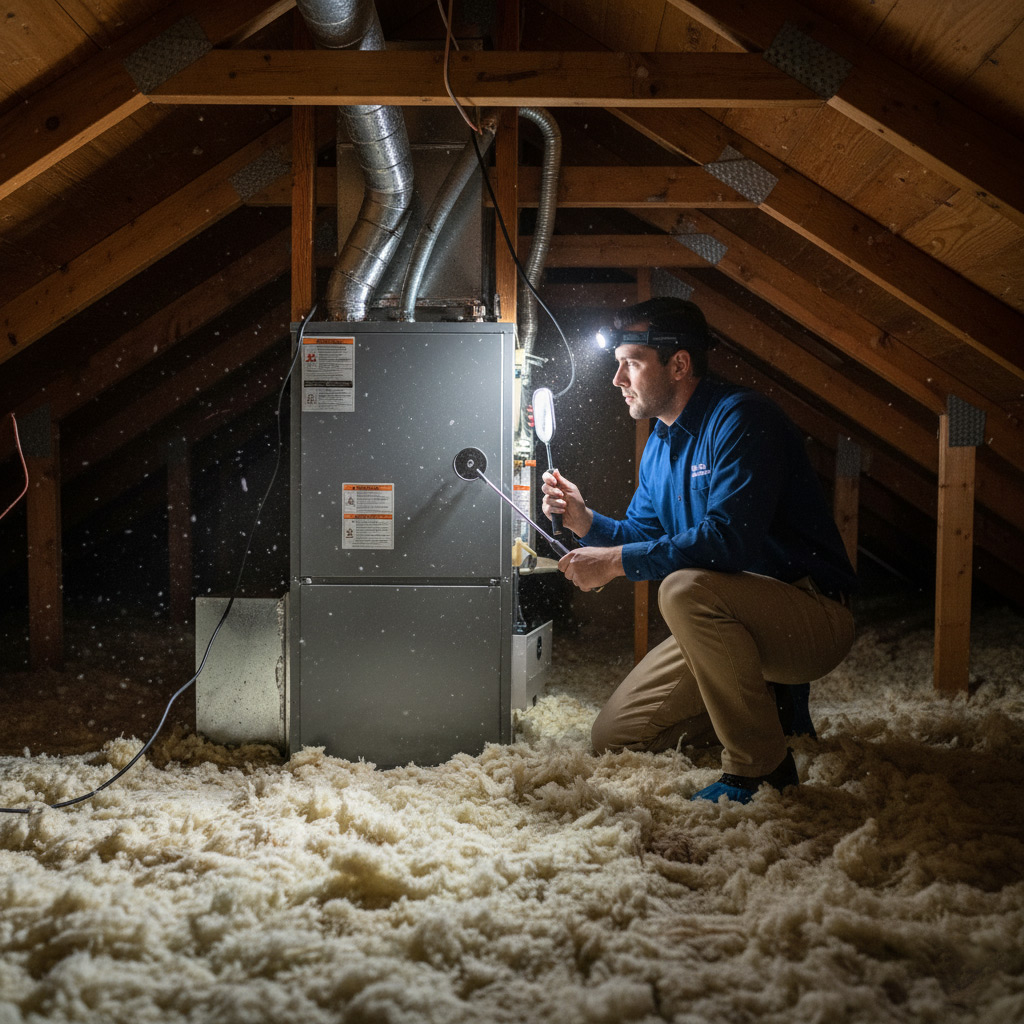
Picture this: it’s a scorching July night in Chesapeake and your AC decides to quit mid‑sweat. That sudden silence isn’t just annoying—it’s a warning sign that your system is begging for attention.
Regular check‑ups keep the cool air flowing, the bills low, and the unexpected breakdowns at bay. Skipping them is like ignoring a ticking clock; sooner or later, something’s going to give.
Most homeowners make the same three mistakes: waiting for a leak, ignoring filter changes, and trusting “good enough” repairs. Those shortcuts pile up, turning a simple fix into a costly overhaul.
Stick around and we’ll walk you through the exact steps that keep your system humming all year long, so you never have to sweat the heat again.
Understanding Your HVAC System: Components & How They Work
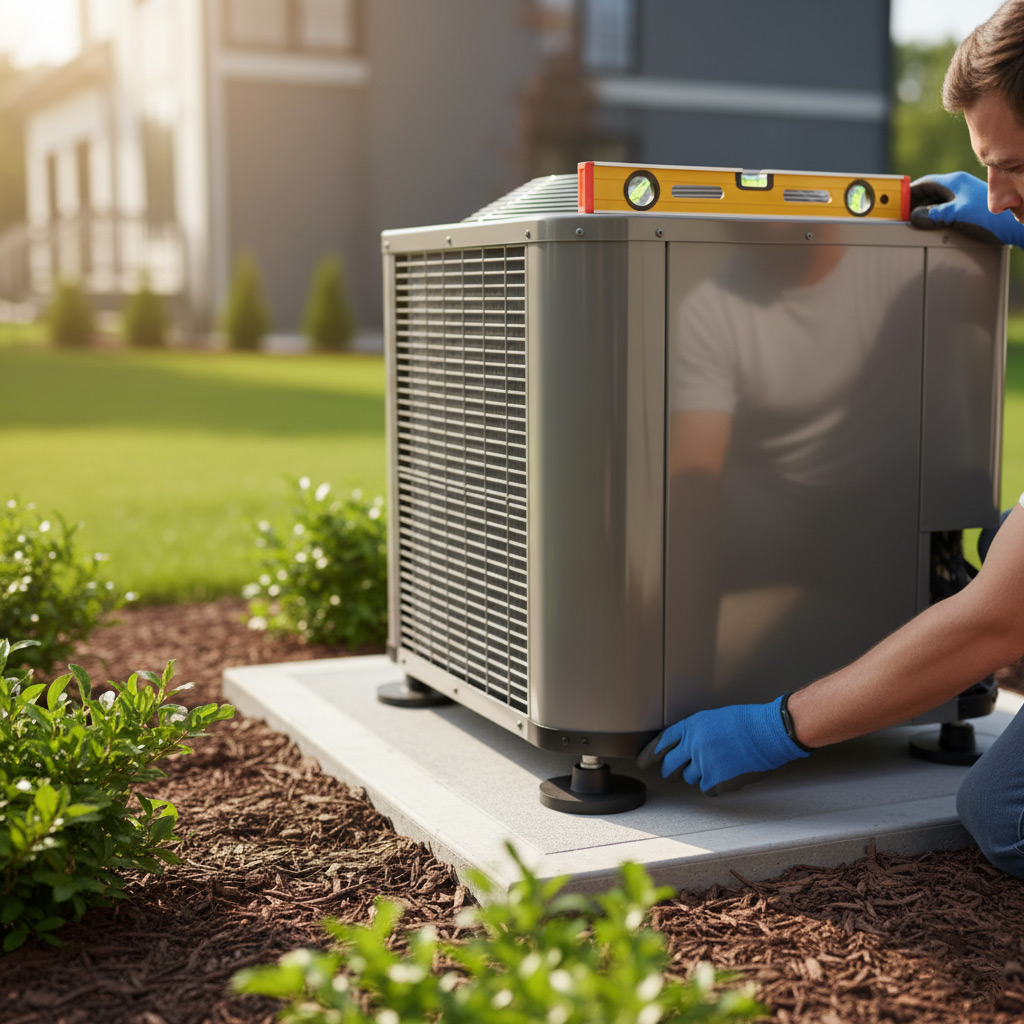
Before you can keep the cool flowing, you need to know what’s inside the box humming in your garage or basement. Think of it as a team of specialists—each one has a job, and if one slacks, the whole crew feels the heat.
The Core Components
- Compressor – the heart that pressurizes refrigerant.
- Condenser coil – releases heat to the outside air.
- Evaporator coil – absorbs indoor heat and turns it into cool air.
- Thermostat – the brain that tells the system when to fire up or shut down.
- Air filter – the gatekeeper that catches dust before it clogs the system.
How They Work Together
The thermostat senses a rise in temperature and signals the compressor to start. The compressor pushes hot refrigerant through the condenser coil, where outdoor air cools it down. Then the chilled refrigerant travels to the evaporator coil, absorbing indoor heat and sending fresh, cool air through your ducts.
Seasonal Maintenance Checklist: What to Do Quarterly
Quarterly care is the secret sauce that keeps your HVAC from throwing a tantrum when the temperature spikes. Think of it as a quick health check‑up—five minutes of attention now saves weeks of misery later.
Spring & Summer Sprint
- Swap the filter. A clean filter means better airflow and lower energy use.
- Inspect the outdoor unit for debris—leaves, grass, or bugs can choke the system.
- Run the fan on “auto” for a few minutes each day to keep the motor lubricated.
- Check thermostat settings; make sure it’s on “cool” and the temperature is calibrated.
While you’re out, give the condenser coils a gentle brush‑down. A few minutes with a garden hose (low pressure) can shave off a noticeable bill.
Fall & Winter Tune‑Up
- Reverse the fan direction to “winter” mode; it pushes warm air down instead of up.
- Seal any gaps around the outdoor unit to keep cold drafts from sneaking in.
- Test the heat strips; they should glow evenly without flickering.
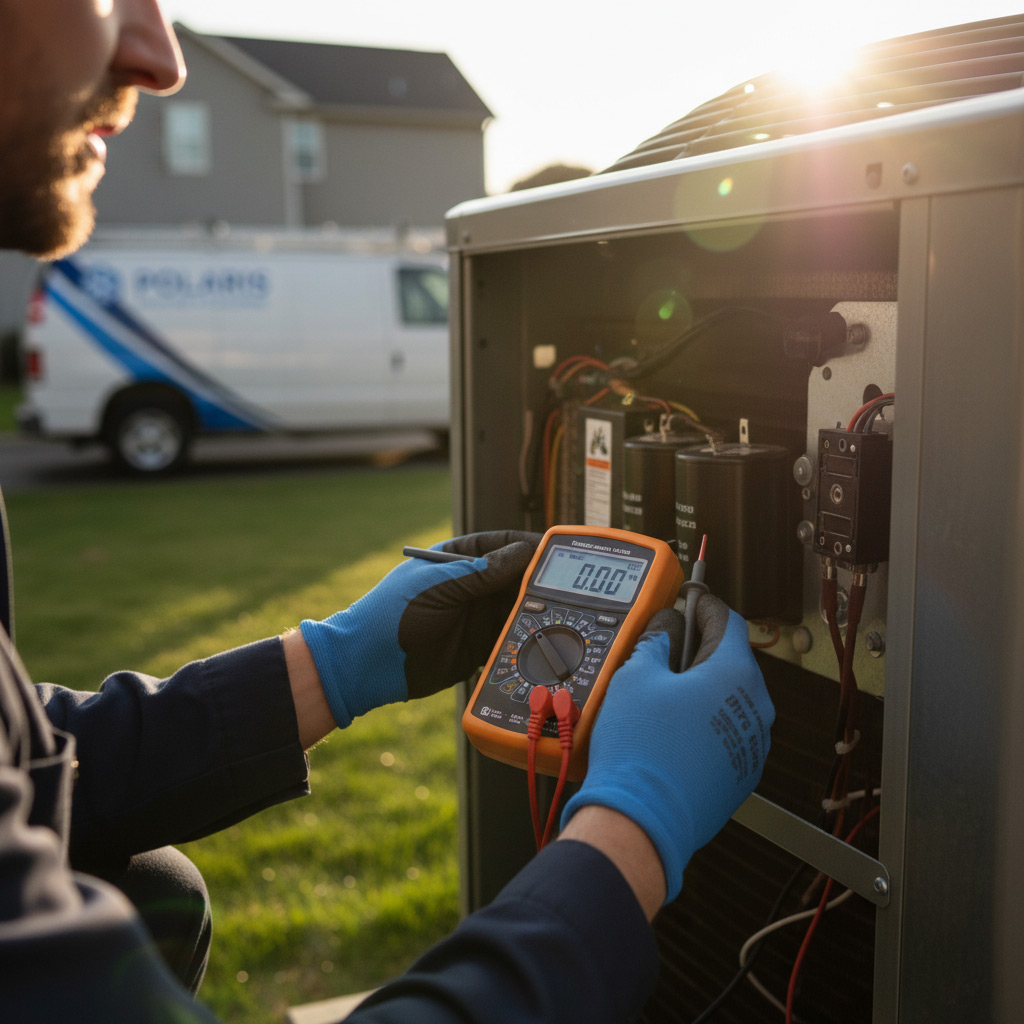
- Schedule a professional inspection before the first freeze—catching a weak capacitor now avoids a blackout later.
Don’t forget to listen for odd noises when the furnace fires up. A rattling sound often means a loose panel that a quick tighten can fix.
DIY Tasks vs. Professional Service: When to Call a Pro
What You Can Do Yourself
Changing the air filter is the easiest win—do it every 30‑45 days and you’ll feel the difference instantly.
Cleaning the outdoor condenser coils with a garden hose (low pressure, no spray nozzle) removes dust that chokes airflow.
Inspecting the thermostat batteries and resetting the system after a power outage are quick fixes you can handle in minutes.
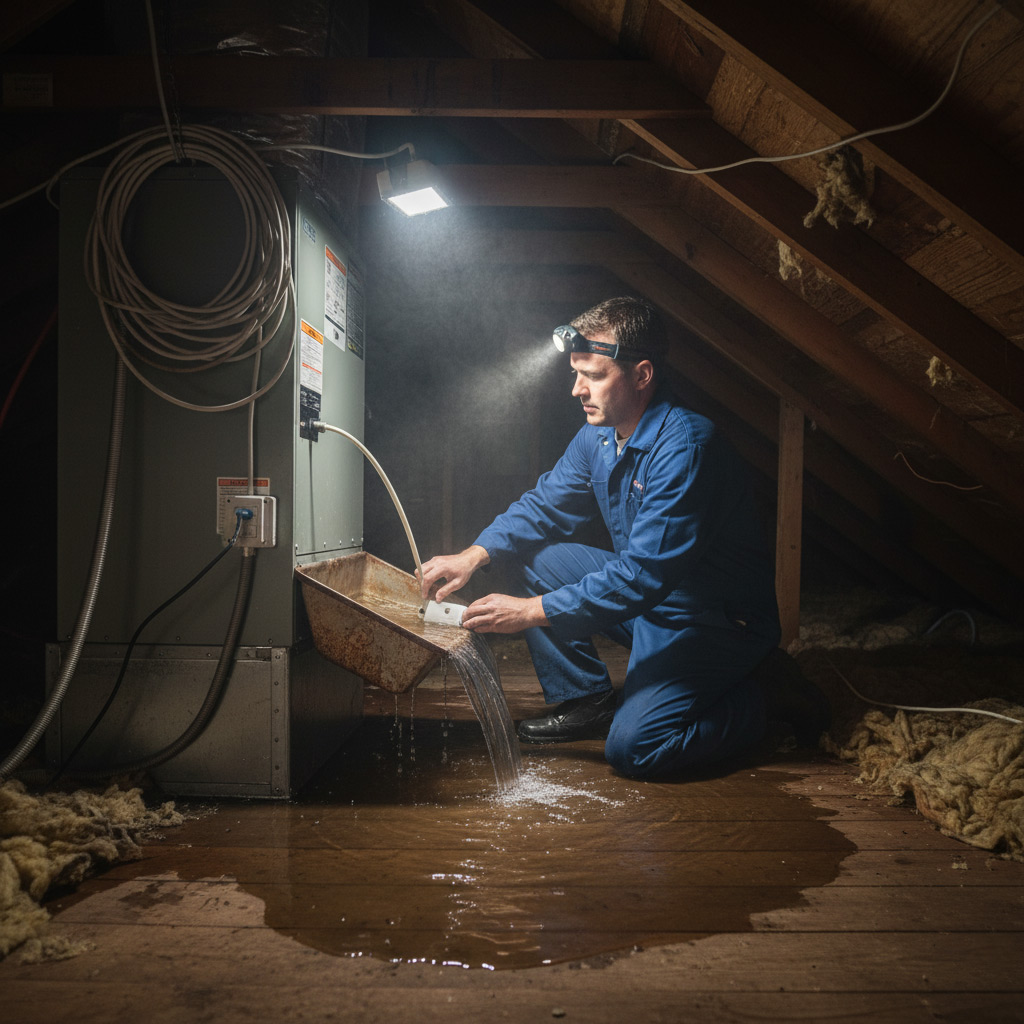
- Check for visible leaks around the indoor unit; a dry rag will tell you if moisture is escaping.
- Clear debris from the furnace blower compartment to keep the fan from grinding.
When to Call the Pros
If you hear rattling, grinding, or a high‑pitched squeal, stop the DIY and dial a certified technician.
Refrigerant levels are a legal minefield—only a licensed pro can safely recharge your system without risking fines.
Electrical issues, like tripped breakers that won’t reset, signal a problem that requires a trained eye.
- Uneven cooling across rooms often means duct leaks or a failing blower motor.
- Frequent short‑cycling points to a thermostat miscalibration or a sensor fault.
Bottom line: simple upkeep keeps the system humming; anything that touches refrigerant, wiring, or major components deserves a professional’s touch.
Common Mistakes Homeowners Make and How to Avoid Them
One of the biggest blunders is treating the air filter like a decorative piece. When you let it get clogged, airflow chokes, the motor works harder, and your electric bill spikes. The fix? Swap it out every 30‑45 days during heavy use, and set a calendar reminder so you never forget.
Skipping the Filter
- Reduced airflow forces the blower to overheat.
- Dust builds up on coils, turning them into a heat‑absorbing blanket.
- Shortened compressor life – a pricey replacement you could have avoided.
Another rookie move is trying to “fix” a refrigerant leak yourself. Refrigerant is a regulated substance; mishandling it can damage the compressor and even be illegal. Call a certified tech the moment you smell something odd or see ice on the lines.
Playing Doctor with Refrigerant
- Improper vacuuming leaves moisture that corrodes internal parts.
- Over‑charging can cause high pressure shutdowns.
- Under‑charging leads to poor cooling and frozen coils.
Finally, many homeowners wait until the system screams before calling for service. That “wait‑and‑see” attitude turns a simple coil cleaning into a full‑blown repair. Schedule a professional tune‑up at the start of each season; a quick inspection catches wear before it becomes a disaster.
Procrastinating the Tune‑Up
- Early detection of worn belts saves you from a sudden breakdown.
- Cleaning the condensate drain prevents water damage and mold.
- Calibration of thermostats ensures you’re not over‑cooling (or heating) your home.
Energy Efficiency Tips: Reducing Bills While Extending System Life
First thing’s first: let your thermostat work for you, not against you. Set it to 78°F (26°C) in the summer and 68°F (20°C) in the winter, then let a programmable schedule handle the rest. A few minutes of tweaking can shave off 10‑15% of your monthly bill.
Smart Thermostat Settings
Modern thermostats do more than just turn the heat on and off. Use the “away” mode when the house is empty, and take advantage of “eco” cycles that let the system run just enough to keep comfort levels steady. The result? Lower utility costs and less wear on the compressor.
Seal the Leaks
Air that escapes through gaps is money flying out the window. Inspect ductwork, attic hatches, and window frames for cracks, then seal them with foil‑backed tape or caulk. A quick fix here can boost performance by up to 20%.
Maintain the Core
Filters aren’t just for dust—they’re the first line of defense for the whole system. Swap them every 30‑60 days, and schedule a professional coil cleaning at least once a year. Clean coils, clear condensate drains, and you’ll keep the unit humming longer while the electric bill stays low.
Case Study: How Our Chesapeake Team Restored a Failing AC in 48 Hours
The Call
When the Johnson family called on a sweltering Thursday, their 12‑year‑old AC was sputtering and then went silent. They needed relief fast, and they were willing to pay for a quick fix.
Our dispatch team sprang into action:
- Confirmed the address and gathered the unit’s model number.
- Scheduled a same‑day technician visit before sunset.
- Prepared a parts list based on the most common failures for that make.
The Diagnosis
Our tech arrived, ran a full system pressure test, and discovered a cracked refrigerant line that had been leaking for weeks. The compressor was still healthy, but the loss of refrigerant meant the system couldn’t cool.
Instead of a lengthy back‑order, we tapped our local inventory:
- New copper line set (pre‑charged with the exact refrigerant type).
- Leak‑seal compound for a quick patch on the minor seal.
- Updated thermostat firmware to ensure optimal performance.
The Fix
Within eight hours, the line was swapped, the system was evacuated, and the correct charge was added. We ran a post‑repair efficiency check that showed a 15% improvement over the previous baseline.
The Johnsons felt the cool breeze within minutes, and the whole job wrapped up under budget and well before the weekend heat wave hit Chesapeake.
Final Words
Before you close this page, remember that a well‑tuned HVAC system is a silent partner in every Chesapeake summer and winter. Small habits—like swapping filters and clearing debris—pay off big when the heat spikes or the freeze hits.
What to Keep in Mind
- Mark your calendar for quarterly checks; set a reminder on your phone.
- Inspect the outdoor unit for leaves, bugs, or snow buildup.
- Schedule a professional tune‑up at least once a year—our team knows the local climate quirks.
When you’re ready to take the next step, explore our HVAC Maintenance services. A quick call can stop a minor issue from turning into a full‑blown emergency.
Stay Ahead of the Curve
Think of maintenance as insurance: you pay a little now to avoid a massive bill later. Keep an eye on performance, listen for odd noises, and trust your gut—if something feels off, it probably is.
People Also Ask
How often should I schedule professional HVAC maintenance in Chesapeake, VA?
Professional HVAC maintenance should be scheduled at least twice a year—once before the cooling season and once before heating season—to ensure optimal performance and catch potential issues early.What are the key signs that my HVAC system needs a professional inspection?
Look for reduced airflow, unusual noises, frequent cycling, or a noticeable increase in energy bills; these symptoms often indicate underlying problems that require a qualified technician’s assessment.Can I perform any HVAC maintenance tasks myself without voiding my warranty?
Yes, routine tasks like changing filters, cleaning the outdoor unit’s debris, and checking thermostat settings are safe DIY actions that typically do not affect warranty coverage.How does regular HVAC maintenance improve energy efficiency?
Regular maintenance keeps components clean and calibrated, reduces strain on the system, and ensures it runs at peak efficiency, which can lower monthly utility costs by up to 15%.What should I expect during a professional HVAC service visit?
A technician will inspect and clean the coils, check refrigerant levels, test safety controls, lubricate moving parts, and provide a detailed report of any needed repairs or upgrades.
Chesapeake HVAC brings more than a decade of expertise to homes and businesses across Chesapeake, VA. Their certified technicians specialize in energy‑efficient installations, preventative maintenance, and prompt repairs, ensuring year‑round comfort for the local community. With a focus on personalized service, they understand the unique climate challenges of the Chesapeake area.
Need HVAC?
We provide prompt, reliable service for your home and business needs throughout Chesapeake, VA and neighboring ZIP codes (23320, 23321, 23322, 23323, 23324). Our focus is on delivering fast results so you can move forward with confidence.
Request a fast quote